
The most influential reviews.
The standard of the music industry since 1999.
Nation of Language l A Way Forward
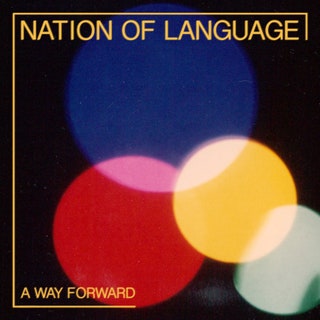
The second album from the Brooklyn synth-pop revivalists explores a broader emotional palette while hitting familiar pleasure points.
As of last year’s Introduction, Presence, the Jersey-to-Brooklyn synth-pop trio Nation of Language seemed engineered for a certain type of indie fan. Singer Ian Devaney sounded uncannily comfortable in a familiar register of pure melancholy, murmuring self-indulgent sweet nothings with the brassy ice of the best New Romantics: Start with Orchestral Manoeuvres in the Dark, add one part Robert Smith, two parts Depeche Mode, stir in Kraftwerk-flavored sprinkles. On their latest album, A Way Forward, Nation of Language start to shed some of the trappings of synth-pop comfort food, foregrounding their melodic elasticity and narrative charm to explore a broader emotional palette than the formal polish of their debut.
Throughout A Way Forward, the band’s renewed focus on the low-end teases a groovier sound. It offers a subtle reminder that these art-school Brooklynites might have equally fond memories of 2000s indie-dance artists like Cut Copy, Bloc Party, and the Yeah Yeah Yeahs as their ’80s luminaries. “Every day we’re circling, never closing in on what we want,” Devaney sings on “Across That Fine Line,” with a gently ascending groove that skates across a cool synthesizer background. The Strokes loom large here in particular, not just in the timbre of the drum machine and asymmetrical riffs, but also in the lyrics, which manage a near-Casablancas level of slickness.
Throughout A Way Forward, the band’s renewed focus on the low-end teases a groovier sound. It offers a subtle reminder that these art-school Brooklynites might have equally fond memories of 2000s indie-dance artists like Cut Copy, Bloc Party, and the Yeah Yeah Yeahs as their ’80s luminaries. “Every day we’re circling, never closing in on what we want,” Devaney sings on “Across That Fine Line,” with a gently ascending groove that skates across a cool synthesizer background. The Strokes loom large here in particular, not just in the timbre of the drum machine and asymmetrical riffs, but also in the lyrics, which manage a near-Casablancas level of slickness.
In moments like these, Nation of Language suggest a level of emotional breadth that is occasionally belied by coloring within the lines. Perfunctory anti-capitalism bop “The Grey Commute” and neurotic autocritique “This Fractured Mind,” while undeniably inspired, hit the same pleasure centers that Nation of Language have been targeting for a few years now, bolstered only by Devaney’s slightly more idiosyncratic vocal chops. The band’s decision to expand their swagger and invest in more complex synth work pushes them to new territory, and the most remarkable digressions from their comfort zone point towards a future beyond pastiche—but it feels like this is a half-step, not a full leap.










COMMENTS
Leave a comment